

















Chibi Monster Girls

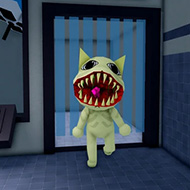










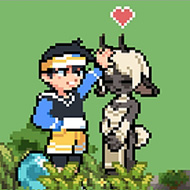
Chibi Monster Girls puts you in charge of a conservation garden where Monster Girls hatch from eggs, grow from child to adult, and depend on your daily attention to stay healthy and productive. The government storyline framing is light — the real loop is the quiet rhythm of checking on your Lamia, dropping food for your Frog girl, and watching stat icons before anything slips into a danger zone. This is an Early Access desktop pet simulation for Windows and Linux, currently containing 6 Monster Girls spread across 3 expedition routes, with more species planned before the game reaches version 1.0.
| Genre | Virtual Pet / Desktop Simulation |
| Platform | Windows, Linux |
| Status | Early Access |
| Current Species | 6 Monster Girls, 3 expedition routes |
| Price | $4.99 USD |
Being a Keeper: What the Role Actually Means
The keeper framing in Chibi Monster Girls is not decorative. Every Monster Girl in your garden has individual stats — hunger, social, and sleepy are the three that flash warning icons when they fall dangerously low — and your job is to respond before those stats drag happiness down far enough to stop coin production. Coins fund the shop, the shop funds keeper upgrades, and keeper upgrades unlock tools like egg inspection. Nothing is difficult to understand, but the game requires actual attention rather than the passive glancing some desktop pet games allow.
Each species behaves differently. The Lamia has her own hatching time and growth duration, while the Frog girl runs on her own diet and schedule. Overfeeding treats carries a risk of illness — after the first two treats consumed, each additional one rolls a chance of making a Monster Girl sick, which halts coin production until she recovers. Newer players tend to discover this the hard way by assuming treats are always safe to use freely.
Casual players who check in once a day will find the loop forgiving — Monster Girls do not die from neglect, only become unhappy and economically unproductive. Players who sit with the game longer start noticing how much personality each species carries in its idle animations, and how the warning icons create a gentle urgency that pulls you back in. The autosave writes every 5 minutes to a dedicated folder, which matters once you have multiple adults raised and a garden full of color variants you care about.
Expeditions, Egg Tiers, and the Variant Hunt in Chibi Monster Girls
Sending expeditions is how you expand your roster. Each of the 3 routes corresponds to a habitat where specific Monster Girl eggs can be found, and above Tier I the color variants start changing underlying stats — not just appearance — giving the variant hunt real mechanical weight. A higher-tier Lamia performs differently in terms of how quickly her stats drain or how much she produces, and the egg inspection upgrades in the keeper shop let you evaluate a variant’s quality before committing the time to raise it.
The Chibipedia, added in Update 3, ties directly into this loop. Raising your first adult of any species unlocks a flavour text entry about that species; raise five adults of the same species and a more detailed entry opens, along with a record of which color variants you have encountered. Completionists chasing the full Chibipedia are essentially being asked to run expeditions repeatedly, manage multiple generations of the same Monster Girl, and maintain a stable enough garden to reach adulthood reliably — a clean secondary goal that slots into the existing loop without demanding anything the core game does not already teach you.
The Yell State and Social Management
When a Monster Girl’s Social level is high enough, she will occasionally walk over to the keeper and yell for attention. The practical effect is that this interaction skips one of her pending bad states — hunger or sleepy — preventing the happiness drain that would have followed. This makes Social a more active stat than it initially appears: a highly social Monster Girl effectively self-regulates more often, reducing how much manual input you need to keep her productive. Players who notice this tend to shift their upgrade priorities toward keeping Social levels elevated on the species that produce the most coins.
The downside is that a high-Social Lamia or Frog girl appearing near your cursor can be distracting if you are using Chibi Monster Girls as a background companion while working. The game does not currently offer a way to toggle the yell behavior, which is worth knowing before you make Social your primary investment.
Early Access Realities and Known Friction Points
With 6 species and 3 routes, experienced keepers can feel they have seen most of what the game offers relatively quickly. Further engagement then depends on variant hunting and Chibipedia completion rather than discovering new systems. Players comfortable with Early Access games as ongoing projects will find more value here than those expecting a finished roster on day one. The update cadence since the June 2026 launch has been consistent — two major content updates and several bugfix patches — and the price is expected to rise as the game approaches 1.0.
Linux users should note the Vulkan GPU requirement. The Windows build uses GL and works without Vulkan, but the Linux build requires a Vulkan-capable GPU to display the transparent background correctly. Running the Windows build through Proton causes visual problems with that transparency layer — which is how Monster Girls appear to live on your desktop rather than inside a bordered window — and is documented but easy to miss before purchasing.
FAQ: Questions Players Search About Chibi Monster Girls
How do I stop a Monster Girl from getting sick?
The sickness trigger activates after a Monster Girl has eaten two treats — from the third treat onward, each additional one carries a random illness chance. Limit treat feeding and use a Monster Girl’s species-appropriate diet as the primary stat maintenance tool, reserving treats for situations where a stat is genuinely close to the danger threshold. Once sick, a Monster Girl needs time to recover; continuing to feed treats during illness compounds the problem rather than speeding recovery.
What do higher-tier variants actually change in Chibi Monster Girls?
Above Tier I, each color variant tier carries direct effects on the species’ core stats — a higher-tier Lamia is not just differently colored, her underlying numbers for stat drain rates and production output are modified by the tier. The egg inspection upgrades in the keeper shop are essential for evaluating variants before hatching: the first shows hatch time, the second shows stat levels pre-hatch, letting you decide which eggs are worth the investment before committing.
How does the autosave work and where is the save file?
The game saves an autosave file every 5 minutes at C:\Users\YOUR_USER_NAME\AppData\Roaming\ChibiMonsterGirls. If your main save becomes corrupted, rename the file chibimonstergirls_autosavefile to chibimonstergirls_savefile to restore it. The Roaming folder is hidden by default on most Windows installations, so you may need to enable hidden folder visibility in File Explorer before navigating there.
Chibi Monster Girls rewards the kind of attention you would give a real terrarium — not constant hovering, but regular check-ins that catch a drooping hunger icon before it cascades into a sick Lamia and a stalled coin flow. The Chibipedia and tier variant system give long-term players something to work toward beyond simply keeping the garden alive, and the yell state turns Social from a number to watch into a genuine tool once you understand how it prevents bad states from piling up.
Comments
There are no reviews yet. Be the first one to write one.