


-
Hide and Luig
-

Meccha Hunt
-
Fruit Ninja
-
Toaster Dash
-
Meccha Chameleon 3
-
Meccha Chameleon 2
-

Water Color Sort
-
Stickman Chameleon
-
Paint to Hide!
-
Paint&Seek Online
-
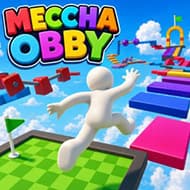
Meccha Obby
-

Paint or Seek: Chameleon Hide Online
-
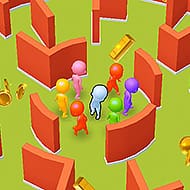
Hide ‘N Seek!
-
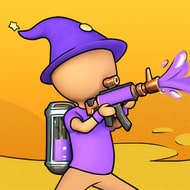
Paint Strike
-
Meccha Chameleon Mobile
-

A Little to the Left
-

Among Us
-
Stickman Hook
Rolly Vortex







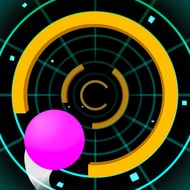
Why does a gap that looked wide open a second ago suddenly feel impossibly narrow in Rolly Vortex? Because the tunnel never stops rotating, and a barrier that seemed easy to read is already a different shape relative to you by the time your ball actually reaches it.
Rolly Vortex rolls your ball continuously forward through a cylindrical tunnel, giving you full use of the entire circumference to dodge incoming barriers rather than confining you to a flat lane. Steering left and right with the arrow keys shifts your position around the full 360 degrees of the tunnel wall, which sounds like freedom until the barriers start rotating in the opposite direction you need to move.
Predicting the Barrier’s Spin in Rolly Vortex
The barrier’s rotation direction matters more than its current gap position. A gap that’s currently lined up with you won’t necessarily still be there by the time you arrive, since the barrier keeps spinning independently — reading which way it’s turning, clockwise or counterclockwise, is what actually predicts where the gap will be on arrival, not where it happens to be right now.
Hitting even the edge of a barrier ends the run instantly and sends you back to the very start, which keeps every attempt in Rolly Vortex feeling consequential even though the controls themselves are just two directions. There’s no partial damage system softening a bad read — the tunnel is either clear or it isn’t.
What Gems Actually Buy in Rolly Vortex
Gems collected during a run carry over to a ball shop at the main menu, where different ball skins are available starting around fifty gems each. None of them change how the tunnel behaves, but the shop gives longer sessions a reason to keep pushing past a personal best rather than stopping the moment a run ends.
As the vortex speeds up the longer a run continues, the margin for reading a barrier’s rotation shrinks along with it, until the whole run comes down to trusting a read you made a half-second before the barrier was even close — which is either the most stressful part of Rolly Vortex or the exact reason it’s hard to stop playing.
Why Restarting Feels Different Than It Should
Because the controls never change and the failure is always instant, a run in Rolly Vortex that ends early doesn’t feel like bad luck so much as one specific, identifiable misread — which is exactly the kind of failure that makes restarting immediately feel productive rather than frustrating, since the next attempt genuinely benefits from whatever pattern you just caught yourself misreading.
Comments
There are no reviews yet. Be the first one to write one.