


-

Hide and Luig
-

Meccha Hunt
-

Fruit Ninja
-

Toaster Dash
-
Meccha Chameleon 3
-

Meccha Chameleon 2
-

Water Color Sort
-
Stickman Chameleon
-
Paint to Hide!
-
Paint&Seek Online
-
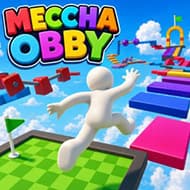
Meccha Obby
-

Paint or Seek: Chameleon Hide Online
-
Hide ‘N Seek!
-

Paint Strike
-

Meccha Chameleon Mobile
-

A Little to the Left
-

Among Us
-

Stickman Hook
Runner Games










Sprinting through obstacles, dodging hazards, and chasing a better distance every attempt — that’s the pulse of Runner Games. This category brings together fast-paced sprints where timing and reflexes matter more than slow planning, and every level rewards a quick eye and a steady hand.
What Makes Runner Games Stand Out
Unlike slower-paced puzzles or strategy titles, Runner Games move at a relentless pace. The character keeps advancing whether you’re ready or not, which means every jump, slide, and swerve has to happen at the right split second. This constant forward motion is what separates the category from almost everything else on Meccha Chameleon, since there’s rarely a pause button to lean on. The screen fills with obstacles at a steady clip, and the only real choice is how quickly you can respond to what’s coming next. Even a short slip in concentration is usually enough to end a run, which keeps every second feeling meaningful.
- Constant forward momentum with no waiting around
- Obstacles that demand instant reactions rather than careful planning
- Short sessions that fit into a coffee break or a long commute
- Simple controls that are easy to pick up within seconds
- Scoring systems built around distance, coins, or survival time
Types of Runners You’ll Find Here
Not every title in this section of Runner Games follows the exact same formula. Some lean into lane-switching mechanics, others let you climb, slide, or fly through the level, and a few mix in light puzzle elements between the sprints. Browsing this part of the site means encountering a fair spread of variations rather than a single repeated pattern, and that variety is a big reason the category holds up over repeated visits.
- Endless sprints that get progressively harder the longer you last
- Fixed-length courses with a defined finish line
- Lane-based dashes where switching tracks is the main skill
- Platformer-style runners that add climbing and gliding sections
- Chase sequences where something is actively pursuing the character
Skills You Actually Build While Playing
There’s more happening under the surface than simple button mashing. Runner Games quietly train a handful of useful habits, and players often notice these carry over into other fast-paced titles too. The pace forces a kind of focused attention that’s harder to maintain in slower formats, and that’s part of the appeal for a lot of regulars who keep coming back to this category.
- Pattern recognition — spotting recurring obstacle layouts before they appear
- Split-second decision making — choosing a lane or a jump without hesitation
- Rhythm and timing — syncing movement with the pace of the level
- Focus under pressure — staying sharp as speed increases
- Quick recovery — resetting mentally right after a mistake instead of dwelling on it
Difficulty Curves Across the Category
One thing that sets individual entries in Runner Games apart is how they handle difficulty. Some titles ease you in gently, letting the first stretch of a level feel almost relaxed before the pace picks up. Others take the opposite approach, throwing a dense cluster of obstacles at you within the first few seconds so there’s no real warm-up period. Neither approach is better on its own — it really comes down to what kind of session you’re after on a given day.
- Gradual ramps that slowly layer in new obstacle types
- Fixed difficulty that stays consistent from start to finish
- Sudden spikes designed to test reaction time under pressure
- Adaptive pacing that responds to how well you’re currently doing
Picking a Runner That Suits Your Mood
Some days call for a calm, rhythmic dash where mistakes barely sting. Other days it’s satisfying to throw yourself at a brutal, high-speed course and see how far you get before it all falls apart. Because Runner Games cover both extremes, it’s worth sampling a few before settling into a favorite. A colorful, forgiving sprint feels completely different from a stripped-down survival test, even though both sit under the same category. Pay attention to how a level ramps up its difficulty — some stay gentle for a long stretch before picking up speed, while others throw everything at you almost immediately.
It also helps to think about how much time you actually have. A quick three-minute dash between tasks calls for something with short, self-contained runs, while a longer stretch of downtime is a better fit for a title with deeper progression or unlockable content. Matching the pace of the level to your own mood tends to matter more than picking based on visuals alone.
Practical Tips for Staying Ahead
A handful of small habits tend to separate a short attempt from a genuinely long run in Runner Games. None of these require special skill beforehand — they’re just useful things to keep in mind while the level speeds up around you.
- Watch the ground slightly ahead of the character, not directly beneath it
- Learn the first few obstacle patterns before worrying about later ones
- Keep your hand relaxed on the controls to avoid delayed reactions
- Treat early failures as a chance to memorize layouts, not just setbacks
- Take short breaks between attempts so reaction time doesn’t drift
Common Mistakes That Slow You Down
A lot of early frustration in Runner Games comes down to a few repeated habits rather than actual bad luck. Recognizing these patterns can shave a surprising amount of time off the learning curve for anyone new to Runner Games.
- Reacting to obstacles instead of anticipating them ahead of time
- Tensing up and over-correcting after a near miss
- Ignoring the rhythm of the level and jumping on instinct alone
- Ending a session immediately after a mistake instead of resetting calmly
Progression and Replay Value
Many entries in Runner Games go beyond a single unbroken sprint. Distance milestones, coin totals, and unlockable characters or skins give a reason to come back even after the initial run ends. This kind of layered progression keeps the loop interesting long after the basic mechanics have been learned, since there’s usually another small goal sitting just past the current best score.
- Milestone rewards tied to distance or survival time
- Unlockable characters, skins, or cosmetic variations
- Daily or session-based targets that add a light sense of structure
- Leaderboards that turn a personal best into a running challenge
Why This Section Keeps Getting Revisited
There’s a certain appeal in a challenge that resets quickly and never asks for a big time commitment. A single dash might last thirty seconds or several minutes, and either way it’s easy to jump straight back in for another attempt. That low-friction loop is a big part of why this section of Runner Games sees so much repeat traffic, and why new entries keep getting added to keep the pace fresh. Titles in this category also tend to age well, since a well-tuned sprint stays satisfying long after the initial novelty wears off, and the simplicity of the core loop means there’s rarely a steep barrier standing between a first visit and a genuine habit.
Whether the goal is beating a personal best, unwinding for a few spare minutes, or just enjoying the rush of narrowly dodging an obstacle at full speed, Runner Games offer a steady supply of quick, replayable challenges. Browse the full lineup, pick whichever course catches your eye, and see how far a bit of timing and nerve can carry you.