


-

Hide and Luig
-
Meccha Hunt
-

Fruit Ninja
-

Toaster Dash
-
Meccha Chameleon 3
-

Meccha Chameleon 2
-

Water Color Sort
-

Stickman Chameleon
-
Paint to Hide!
-
Paint&Seek Online
-
Meccha Obby
-

Paint or Seek: Chameleon Hide Online
-

Hide ‘N Seek!
-

Paint Strike
-
Meccha Chameleon Mobile
-

A Little to the Left
-

Among Us
-

Stickman Hook
XenoFeels





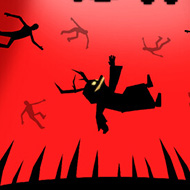
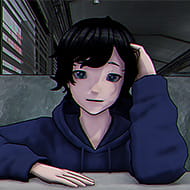
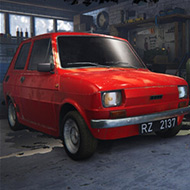




What actually happens when the alien in front of you matches the photo perfectly, the visa checks out, and the plates are clean — but the cargo manifest lists one item that doesn’t belong on a passenger shuttle? That question is the entire pitch of XenoFeels in one scenario, and it’s the moment most new players first realize the game isn’t going to hand them an obvious “gotcha” every time.
| Genre | First-person space customs inspection simulator |
| Setting | A checkpoint booth on an asteroid outside the planet Dearth |
| Core Loop | Six-step inspection: documents, photo, body, vehicle, plates, cargo |
| Structure | Fixed number of visitors per shift, no countdown timer |
| Tone | Hand-drawn sci-fi horror layered with dark, sarcastic comedy |
Reading the Booth Before You Read a Single Alien
Before any visitor arrives, XenoFeels wants you to understand your own environment: the reinforced glass, the paperwork tray, the shotgun within reach, and a supervisor feeding you sarcastic context over the radio. None of it is decorative. The booth itself becomes a character in the game, and small shifts in that space over the course of a shift are one of the earliest hints that something beyond routine paperwork is going on.
New players almost always underestimate how much information the environment is quietly delivering. A flickering light or a moved object in the corner of the booth isn’t a rendering glitch; it’s the stress system announcing itself early. Missing that signal is one of the most common ways a shift starts to feel “unfair” when it isn’t.
The art direction leans hard into a mix of hand-drawn 2D character work over more textured, grunge-heavy 3D surfaces, and that contrast is part of why the checkpoint feels lived-in rather than sterile. It’s a detail players bring up constantly in early reactions to the game — the atmosphere earns comparisons other inspection games rarely get.
The Inspection Order That Never Changes
Once a visitor docks, the sequence is fixed: documents first, then a photo comparison, then the alien’s body itself, then the vehicle, then the plates, and finally the cargo hold. XenoFeels never randomizes this order, and that consistency is deliberate — it’s what lets the difficulty ramp through added detail rather than added chaos.
- Read the documents fully, including fields that look like boilerplate
- Compare the photo against the alien’s actual face and build
- Check the body for species-appropriate traits and disguise seams
- Inspect the vehicle exterior for unlisted modifications
- Verify the plates against the registration on file
- Sweep the cargo hold for anything the manifest doesn’t mention
Early shifts only really test step one and two. By the time you’ve logged a few shifts, the game has layered in vehicle modifications and cargo sweeps on top, and that’s the point where the loop stops feeling like a tutorial and starts feeling like actual work.
Beginner Mistakes That Have Nothing to Do With Aliens
The most common failure point in XenoFeels isn’t missing an obviously wrong alien — it’s misreading a document. Players regularly confuse a lowercase “i” for a lowercase “l” on ID numbers, and vehicle headlight shapes on the inspection screen can look nearly identical between a “clean” and a “modified” reading. These are legitimate readability complaints raised across early player discussions, not exaggerated nitpicks, and they’re worth knowing about going in rather than discovering mid-shift.
A second common mistake is rushing the decision the instant something feels “close enough.” XenoFeels is built around discrepancies stacking, not single obvious tells, so a player who approves after one quick glance will eventually wave through something the game clearly wanted them to catch.
Players who come from Papers, Please-style deduction games often adapt fastest here, since the underlying instinct — cross-reference before you commit — carries over directly, even though XenoFeels trims away some of that genre’s heavier cross-document memorization.
The Stress System and What It Does to a Shift
Underneath the paperwork, XenoFeels tracks your stress across a shift, and high stress introduces auditory hallucinations and small environmental changes that blur the line between “real threat” and “your own nerves.” It’s the mechanic most responsible for the game’s psychological-horror label, and it’s also the one players argue about most.
Supporters point out that it transforms a straightforward inspection game into something with real dread, especially once you can no longer be certain whether a detail you just noticed was actually there. Critics counter that the sanity effects occasionally muddy the deduction gameplay that makes the loop rewarding, pulling attention away from the documents at exactly the moment focus matters most. Both positions show up regularly in early player reactions, and the truth probably sits somewhere in between — it’s a bold system, not yet a fully calibrated one.
Players who enjoy narrative-driven horror tend to rate this mechanic highly regardless of its rough edges, since it directly feeds the “curtain being pulled back” feeling the game is going for as a shift wears on.
The Decision, the Shotgun, and the Weight It Carries
Approve, deny, or reach for the service shotgun — those are your only three moves at the window, and XenoFeels frames the shotgun option with a bleak, joking tone rather than treating it as a dramatic last resort. Anyone you get wrong is written off internally as acceptable loss, which tells you everything about the organization you work for without a single line of exposition explaining it.
The full structure is built around choices carrying forward, with multiple endings shaped by the pattern of calls you make rather than any single decision. That’s a meaningful thing to know before your first shift, because it reframes every borderline call from “did I get this one right” to “what kind of officer am I becoming.”
- Does XenoFeels punish you for taking too long on an inspection? No countdown runs during a visitor check, so slowing down to reread a document costs you nothing mechanically, only time.
- Is the cargo check as important as the documents? Yes — several of the discrepancies players report missing are hidden in the cargo sweep, not in the alien or the paperwork, especially once modifications get added to vehicles later in a shift.
- Can you fail a shift without shooting anyone? Yes, approving the wrong visitor or denying an innocent one both carry consequences on their own, feeding into the choice-driven ending structure without a shot ever being fired.
Take away the horror lighting and the shotgun sitting beside you, and XenoFeels still asks the same quiet question every time a new arrival docks at the checkpoint: does this cargo manifest actually match what’s sitting in the hold outside Dearth, or are you about to trust a face over a file?
Comments
There are no reviews yet. Be the first one to write one.