



-

Hide and Luig
-

Meccha Hunt
-

Fruit Ninja
-

Toaster Dash
-
Meccha Chameleon 3
-

Meccha Chameleon 2
-

Water Color Sort
-

Stickman Chameleon
-

Paint to Hide!
-

Paint&Seek Online
-

Meccha Obby
-

Paint or Seek: Chameleon Hide Online
-

Hide ‘N Seek!
-

Paint Strike
-

Meccha Chameleon Mobile
-

A Little to the Left
-

Among Us
-

Stickman Hook
Hide ‘N Seek!



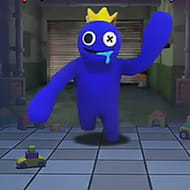



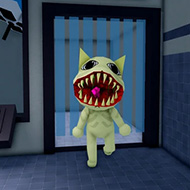




You slide behind a stack of crates in the cornfield just as a flashlight beam sweeps past the gap between two hay bales, and for a second you’re sure the Seeker clocked the edge of your shoulder. That flicker of panic, followed by the quiet relief when the light moves on, is the whole appeal of Hide ‘N Seek!, a game built entirely around that kind of split-second read.
| Genre | Multiplayer hide-and-seek action |
| Players | Up to 4 per match |
| Roles | Hider or Seeker, chosen each round |
| Core Loop | Hide and evade, or search and capture |
The setup is simple on paper. One round you’re a Hider tucked inside a cornfield or ducked into the boss’ office, and the next you’re the Seeker sweeping the map trying to catch everyone before the timer runs dry. What keeps it from feeling repetitive is the mix of locations — cars, water, office desks, hay piles — each of which hides your character differently depending on the angle the Seeker approaches from. Players who’ve spent real time in the game start to learn which spots are actually safe versus which just look safe on the loading screen.
Reading the Seeker’s Vision Field in Hide ‘N Seek!
The single mechanic that decides most rounds is the Seeker’s vision field, a cone-shaped area representing what the searching player can actually see at any moment. Staying out of that cone is more important than finding a clever hiding spot, because a Hider standing in plain sight but outside the vision field is functionally invisible. New players tend to fixate on the object they’re hiding behind instead of tracking where the Seeker is actually looking, which is the single biggest habit worth breaking early.
There’s a twist that catches almost everyone off guard the first time: you can push other players into the Seeker’s vision field. It’s a mean trick, and the community treats it as a legitimate strategy rather than griefing, even if the game’s own description gently suggests being kind about it. Competitive players lean on this constantly in the closing seconds of a round, when every other Hider left standing is a threat to their own survival.
Powerups, Coins, and Pets
Scattered across each map are powerups that give a temporary edge — a speed boost for a Hider trying to relocate, or a vision boost for a Seeker running out of time. Coins collected during matches go toward skins and pets, which are purely cosmetic but matter a lot to players who’ve put in dozens of rounds, since a recognizable skin is how you spot friends across different lobbies.
- Chasing every coin instead of watching the timer
- Hiding in the same spot round after round once other players learn it
- Standing still the moment the Seeker looks away, instead of relocating
- Ignoring teammates who’ve already been caught and could still be freed
That last point matters more than it looks. Hiders who get caught aren’t necessarily out for good, and coordinating a rescue while staying hidden yourself is one of the harder skills the game asks of you. Casual players tend to play it safe and stay put the whole match, while more aggressive players treat every close call as a reason to move.
What Divides Players About Hide ‘N Seek!
Not everything about the game sits well with everyone. A recurring complaint in player reviews is how often matches get interrupted between rounds, which breaks the momentum right when a lobby is having a good run. It’s a fair criticism, and it’s one of the few things that consistently comes up when longtime players talk about what they’d change.
How do you win as the Seeker in Hide ‘N Seek!?
As Seeker, you win by catching every Hider before the round timer expires, which means systematically clearing likely spots — cornfields, water, and office desks — rather than wandering randomly.
What do the powerups actually do?
Powerups grant short-term boosts like extra speed for Hiders trying to relocate or a wider vision field for Seekers running low on time, and they spawn in fixed locations across each map.
Can you play Hide ‘N Seek! without other real players?
The game is built around live multiplayer lobbies of up to four players, so the core experience depends on other people filling the Hider and Seeker roles rather than AI opponents.
Whether you’re the one crouched in the hay pile or the one sweeping the cornfield with a shrinking timer, Hide ‘N Seek! keeps coming back to that same vision field mechanic as the real skill test. It’s a small game with a simple pitch, but the moment you learn to read the Seeker’s line of sight instead of just picking a hiding spot, the whole thing opens up.
Comments
There are no reviews yet. Be the first one to write one.