



-

Hide and Luig
-

Meccha Hunt
-

Fruit Ninja
-

Toaster Dash
-
Meccha Chameleon 3
-

Meccha Chameleon 2
-

Water Color Sort
-
Stickman Chameleon
-

Paint to Hide!
-

Paint&Seek Online
-

Meccha Obby
-

Paint or Seek: Chameleon Hide Online
-

Hide ‘N Seek!
-

Paint Strike
-
Meccha Chameleon Mobile
-

A Little to the Left
-

Among Us
-

Stickman Hook
Hide and Luig





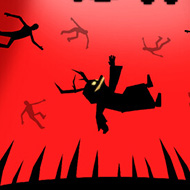
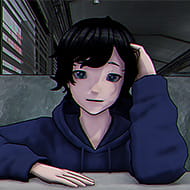
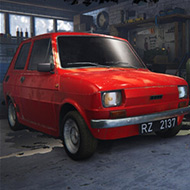




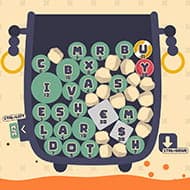
What happens when the thing you’re looking for isn’t hiding behind furniture, but inside it? That’s the question Hide and Luig throws at you almost immediately, and it’s a stranger, funnier problem than most hide-and-seek games bother to ask.
| Genre | Point-and-click hidden object adventure |
| Format | Three distinct scenes, each its own puzzle |
| Controls | Mouse click and drag |
| Objective | Locate Luig hidden inside the environment |
Finding Luig, Not Just Looking for Him
The premise of Hide and Luig is deceptively small: somewhere in each scene, Luig has tucked himself inside an object that shouldn’t logically contain a person. That could be a teapot, a stack of books, or something even sillier, and part of the joy is that the game never signals it directly — you have to click around, examine odd details, and trust your instincts about which parts of the scene look a little too deliberate. Early on, most players default to clicking everything on screen, which works but wastes time once the scenes get busier.
By the time you reach the second scene, the game starts trusting you a bit more. Objects that felt like background clutter in scene one start looking suspicious, and the puzzle logic shifts from raw searching to actual reasoning — what would Luig realistically climb into, and what’s just decoration. That shift is where the game earns its “puzzle” label rather than being a pure click-fest.
Players who approach Hide and Luig like a checklist, methodically clicking corner to corner, tend to finish scenes slower but rarely miss the bonus items scattered alongside Luig himself. Players who go with instinct instead, chasing whatever object looks slightly off, finish faster but occasionally backtrack once they realize they skipped a spot. Neither approach is wrong, but the game rewards the methodical style more once a scene’s hiding logic gets genuinely tricky, since Luig’s later spots are built to punish quick guesses.
The Absurdist Humor That Defines Hide and Luig
Community reaction to Hide and Luig leans heavily on the art direction and the specific charm of Luig’s design — players in the comments repeatedly single out how funny he looks the moment he’s caught, which tells you the payoff for finding him is treated as a reward in itself, not just a checkbox. That’s a deliberate design choice, and it’s part of why people replay scenes even after finishing them once.
Not every puzzle lands equally well, though, and it’s worth being upfront about that. Some players have noted wanting more hiding places or a longer runtime overall, since the game moves quickly once you’re in the groove. It’s a fair point — the short length is either a strength or a limitation depending on whether you want a tight experience or a long one.
What softens that criticism a little is how much personality gets packed into each scene regardless of length. The environments aren’t just backdrops for clicking — they’re full of small sight gags and background details that have nothing to do with finding Luig, and players who slow down to actually look at a scene tend to notice jokes that speedrunning players miss entirely. That’s part of why the comment section skews so heavily toward praise for the art style specifically, rather than just the puzzle mechanics.
Solving Puzzles Without a Timer
Unlike a lot of games in this genre, there’s no countdown pressuring you while you search for Luig, which changes the whole rhythm. You can sit with a scene, click around, and second-guess yourself without losing progress. Some players treat this as a relaxing evening game, others burn through it in one sitting purely to see every scene, and both approaches work equally well given how the game is structured.
That untimed pacing also changes how mistakes feel. In a timed hidden-object game, clicking the wrong spot costs you something — seconds, points, or a penalty. In Hide and Luig, a wrong click just resets your attention, so the game encourages a kind of patient re-scanning that would feel punishing anywhere else. By the time you reach the third scene, most players have settled into a rhythm of scanning left to right, then circling back to anything that caught their eye but wasn’t confirmed yet.
It’s worth noting that this lack of pressure is exactly what some reviewers point to when they say Hide and Luig feels short rather than difficult — without a timer forcing tension, the challenge comes entirely from observation, and once you’ve trained your eye for Luig’s hiding logic, later scenes can go by quickly.
- What if I can’t find Luig in a scene? Re-examine objects that seem oddly placed or too detailed for background art — Hide and Luig consistently hides Luig inside things that look deliberately drawn rather than decorative, and a second, slower pass over the scene usually reveals the mismatch you missed the first time.
- How many scenes does Hide and Luig have? The game is built around three distinct levels, each with its own environment, art style, and hiding logic, so strategies from one scene don’t always carry over to the next, and the third scene in particular tends to catch players who assume the pattern from scene one will repeat.
- Is there anything to collect besides finding Luig? Yes — attentive players can pick up bonus items scattered through each scene, which reward closer examination beyond just locating Luig himself, and players in the comments who mention collecting every bonus tend to describe the extra searching as part of the fun rather than a chore.
Why Luig Keeps Getting Harder to Find
Difficulty in Hide and Luig doesn’t come from timers or enemies — it comes from the game slowly teaching you to distrust the obvious. What starts as a straightforward click-hunt in the first scene becomes something closer to visual detective work by the third, and that’s a deliberate curve rather than an accident.
Once you’ve cleared the first scene, the game stops giving you easy tells. Objects that were purely decorative before start doubling as potential hiding spots, and the line between “background detail” and “thing Luig could be inside” gets deliberately blurry. That’s the moment most players start slowing down and actually reading the scene instead of clicking on instinct, which is exactly the shift the design seems to be pushing toward.
If Hide and Luig has a flaw, it’s that this curve is short — three scenes end almost as soon as you’ve adjusted to how sneaky Luig’s hiding spots can get. Even so, the game leaves a strong enough impression that finishing scene three and finally cornering Luig in whatever absurd object he’s picked feels like a genuine payoff rather than an anticlimax.
Comments
There are no reviews yet. Be the first one to write one.