



-

Hide and Luig
-

Meccha Hunt
-

Fruit Ninja
-

Toaster Dash
-
Meccha Chameleon 3
-

Meccha Chameleon 2
-

Water Color Sort
-

Stickman Chameleon
-

Paint to Hide!
-

Paint&Seek Online
-

Meccha Obby
-

Paint or Seek: Chameleon Hide Online
-

Hide ‘N Seek!
-

Paint Strike
-

Meccha Chameleon Mobile
-

A Little to the Left
-

Among Us
-

Stickman Hook
Who Is The Joker?


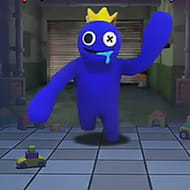



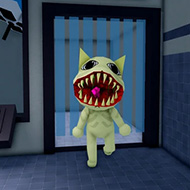





Identities in Who Is The Joker? are never what they first appear to be, which is the entire point — this is a horror adventure that blends werewolf-style hidden-role deception with hide-and-seek survival. Every round assigns players different identities, and figuring out who’s genuinely trying to survive versus who’s secretly working against the group is as important as any prop you manage to find along the way.
| Genre | Horror, Adventure, Multiplayer |
| Platform | Browser, HTML5 |
| Mobile Ready | Yes |
| Controls | Mouse or tap to play |
| Screen Size | 1280 x 720 |
The Identity System at the Heart of Who Is The Joker?
Rather than a single fixed role, players are assigned different identities each round, and part of the challenge is figuring out what your own identity actually allows you to do before anyone else figures out what it means for them. This werewolf-style structure means trust is never guaranteed, and the hide-or-seek layer only adds to the tension since you’re never sure whether the person hiding near you is an ally or the exact threat you’re trying to avoid.
Beginners tend to treat every round the same way regardless of their assigned identity, which is usually a mistake — the optimal strategy shifts noticeably depending on what role you’ve drawn.
Finding Props and Key Clues Without Getting Caught
Survival depends heavily on locating props and clues scattered through each scene, and doing so quietly enough not to draw attention. The detailed environments hide these items in ways that reward careful searching over rushing, and a lot of first-time players lose rounds simply because they prioritized speed over caution while collecting.
Clue placement varies enough between rounds that memorizing a single “solution” rarely carries over, which keeps repeat sessions from feeling stale even after several rounds in a row.
Hide-or-Seek Mechanics That Punish Predictability
- Avoid returning to the same hiding spot repeatedly within a single round
- Use environmental noise and the frightening music cues as timing indicators rather than pure decoration
- Stay aware of nearby movement even while focused on searching for a clue
The game’s sound design isn’t purely atmospheric — the tension-building music effects genuinely shift in intensity depending on how close danger actually is, which experienced players use as an early warning system.
Reading the Scene Before Committing to a Move
Because Who Is The Joker? leans on rich, detailed scenes rather than sparse rooms, there’s more visual noise to sort through when deciding where to move or hide next. New players often freeze under this pressure, hesitating too long in the open, while more experienced players commit to a hiding decision quickly and adjust from there.
This hesitation problem is one of the most commonly discussed frustrations among players comparing notes, and most agree the fix isn’t overthinking the scene but reacting faster to the first reasonable hiding option available.
Playing Who Is The Joker? With Friends
The game is explicitly built with multiplayer sessions in mind, and calling your friends in adds a social deception layer that solo play simply can’t replicate. Groups that communicate honestly about what they’ve found tend to solve rounds faster, while groups where someone is deliberately misleading others create exactly the tense, suspicious dynamic the werewolf-style identity system is designed around.
There’s a natural divide between players who enjoy the deception side more than the hide-and-seek side, and that split is part of what keeps community discussion around the game active.
How do you figure out who has a dangerous identity in a round?
Behavior is usually the biggest tell — players avoiding certain areas, moving unusually cautiously, or failing to share clue information openly tend to be worth watching more closely than anything explicitly stated in the game.
What happens if you can’t find enough props before time runs out?
Failing to gather the necessary props and clues typically ends the round in a loss condition rather than a survival outcome, which is part of why prioritizing efficient searching over cautious wandering matters as much as staying hidden.
Is Who Is The Joker? playable solo, or does it require a group?
While it’s playable without a full group, the hide-or-seek and identity mechanics are built around multiplayer interaction, and a lot of the tension and deception the game is known for is significantly reduced when playing alone.
Who Is The Joker? works because it never lets you settle into a single strategy — between managing your assigned identity, tracking down props, and reading whether the person hiding near the nurse’s props table is actually on your side, every round demands the same alertness the game’s frightening music is constantly reminding you to keep up.
Comments
There are no reviews yet. Be the first one to write one.