



-

Hide and Luig
-

Meccha Hunt
-

Fruit Ninja
-

Toaster Dash
-
Meccha Chameleon 3
-

Meccha Chameleon 2
-

Water Color Sort
-

Stickman Chameleon
-

Paint to Hide!
-

Paint&Seek Online
-

Meccha Obby
-

Paint or Seek: Chameleon Hide Online
-

Hide ‘N Seek!
-

Paint Strike
-

Meccha Chameleon Mobile
-

A Little to the Left
-

Among Us
-

Stickman Hook
Cheap Car Repair












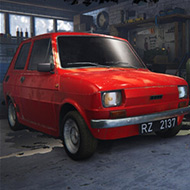
The “botch job” meter in Cheap Car Repair does not work as expected: the goal isn’t to keep it low, it’s to figure out how high you can push it before an owner notices their car was fixed with a coat hanger instead of a real part.
| Genre | Mechanic simulation with puzzle-style repair logic |
| Setting | A small countryside garage in 1990s Poland |
| Player Role | John the Mechanic |
| Core Loop | Diagnose, salvage parts, repair cheaply, avoid getting caught |
| World | Small open world with side missions and local characters |
Diagnosing Problems Before Fixing Them in Cheap Car Repair
Every job starts with figuring out what’s actually broken, and the game expects you to inspect a car properly rather than guessing from the symptom an owner describes. Beginners jump straight to replacing whatever part sounds most likely, which burns money and time when the real fault is something smaller, like a loose connector instead of a whole assembly. Once you’ve dismantled enough vehicles, spotting rust, cracked housings, and mismatched parts becomes second nature.
John the Mechanic isn’t just fixing cars for money; side missions send him into the countryside to deal with shady traders and odd local characters, and those errands are where a lot of the game’s personality lives outside the workshop.
The Botch Job Meter and Improvised Repairs
The whole system inverts what mechanic simulators usually reward. A proper repair costs real money for real parts, while scavenging components off a junk car at no cost, swapping in makeshift substitutes, or patching bodywork just neatly enough that an owner doesn’t look twice is where the actual profit comes from. Pushing the botch job meter too far on a fussy customer’s car is one of the fastest ways new players lose reputation, since some owners inspect closely while others barely glance.
Players describe pulling a working part off one customer’s car and installing it in another’s as one of the most satisfying loops available, and that part-swapping becomes a core skill once side missions overlap with regular walk-in repairs.
- Salvage usable parts from wrecks in the open world instead of always buying new.
- Treat rust and bodywork just well enough to pass a glance, not a real inspection.
- Match the fix to the customer, since a picky owner tolerates less corner-cutting than someone who just wants their car running.
Where the Controls Get in the Way
It would be dishonest to pretend the game is smooth about everything. Object physics are approximate, and players consistently bring up how easy it is to lose a small part in a cluttered garage or watch a tool slide off a bench at the wrong moment. That jankiness is a divisive point in community discussion: some find it charming and in keeping with the “improvised repair” theme, while others find it frustrating once a workshop fills with scavenged parts and nothing has a reliable place to sit. It hasn’t stopped the game from building a loyal following, with well over 3,000 Steam reviews sitting solidly in positive territory.
- Keep frequently used tools near the workbench, not scattered around the garage floor.
- Group salvaged parts by car type so a late-night repair isn’t a scavenger hunt.
- Clear out completed jobs promptly, since clutter makes the physics issues far more noticeable.
Difficulty and the Countryside Around the Garage
Early jobs are forgiving, mostly walk-in customers with obvious problems and low expectations. By the time you’re a few hours in, the game mixes in owners who know more about cars than they let on, side quests tied to the countryside’s secrets, and jobs where a botched shortcut costs more in reputation than the parts saved were worth. Advanced players read a customer’s dialogue for cues about how closely they’ll check the work, turning every job into a small negotiation between speed, cost, and risk.
How do you make more money in Cheap Car Repair?
The fastest income comes from balancing salvaged parts against real ones rather than either extreme, since buying everything new eats your margins and botching every job on a sharp-eyed customer tanks reputation. Side missions around the countryside pay well and often hand you rare salvage you wouldn’t find otherwise.
What happens if a customer notices a botched repair?
Getting caught damages your standing with that customer and can affect future jobs, so the botch job meter is a risk gauge, not a score to maximize. Reading how attentive a specific owner is before deciding how far to push it is the skill actually being tested.
Cheap Car Repair never pretends fixing cars the right way is the point; it’s a game about how far John the Mechanic can stretch a coat hanger and a salvaged bumper, and that tension between doing a job properly and doing it cheaply is what keeps players coming back to the garage.
Comments
There are no reviews yet. Be the first one to write one.