



-

Hide and Luig
-

Meccha Hunt
-

Fruit Ninja
-

Toaster Dash
-
Meccha Chameleon 3
-
Meccha Chameleon 2
-

Water Color Sort
-

Stickman Chameleon
-

Paint to Hide!
-
Paint&Seek Online
-

Meccha Obby
-

Paint or Seek: Chameleon Hide Online
-

Hide ‘N Seek!
-

Paint Strike
-
Meccha Chameleon Mobile
-
A Little to the Left
-

Among Us
-

Stickman Hook
Paint to Hide!







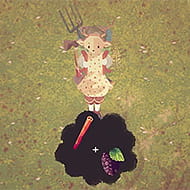


Paint to Hide! looks like a slower, gentler version of prop hunt, but it plays like a game that punishes hesitation just as hard as bad camouflage. The moment you stop treating pose and paint as two separate steps and start treating them as one decision, the whole game clicks differently.
| Genre | Multiplayer hide-and-seek |
| Platform | Browser |
| Team Roles | Hiders and Seekers |
| Special Control | Free camera for Hiders (Shift + P) |
Becoming Part of the Map
Paint to Hide! frames its entire Hider experience around one instruction: become part of the map rather than just hiding on it. That distinction matters more than it sounds like it should. Instead of tucking yourself behind an object, you’re expected to paint your own body to match a wall, a floor tile, or a piece of scenery, then hold a pose that makes you look like you belong there. A Hider standing in an open hallway with the right color and posture can be safer than one crammed into an obvious corner with a mediocre paint job.
Once you accept that logic, the whole map starts looking different — every flat surface becomes a potential disguise instead of scenery to hide behind.
Changing Pose After Committing to a Location
One habit that separates newer Hiders from experienced ones in Paint to Hide! is willingness to adjust pose after picking a spot instead of locking in the first stance that comes to mind. A location that looked perfect standing upright might work far better crouched, or angled differently, once you actually compare your silhouette to the object beside you. Players who treat pose as a fixed decision made the moment they arrive tend to get caught more often than those who keep adjusting right up until a Seeker is about to walk past.
What Happens When a Hider Gets Caught
Getting caught in Paint to Hide! doesn’t remove you from the round the way elimination does in some other hide-and-seek games — instead, caught Hiders join the Seeker team, which means the hunting side grows steadily larger as a match goes on. This snowball effect changes the pacing considerably. Early rounds might have only two or three Seekers scanning a large map, but by the final minute, a swarm of former Hiders can be searching the same space, making late-round survival dramatically harder than it was at the start.
It’s a mechanic players discuss often, since it means the last surviving Hider is usually facing far worse odds than the first one caught.
Using the Free Camera as a Hider
Once you’re settled into a pose, Paint to Hide! gives Hiders a free camera, toggled with Shift and P, that lets you look around without moving your actual character. This is one of the more useful features newer players overlook entirely, since it means you can watch Seekers approach and judge whether your disguise is holding without breaking camouflage by physically turning. Checking your surroundings through the free camera instead of guessing blindly is often the difference between surviving a close pass and getting caught by a Seeker who was never actually looking your way.
Exploring Multiple Maps and Their Hiding Patterns
Paint to Hide! spreads its rounds across multiple maps, and each one rewards different disguise strategies depending on its layout and color palette. A map full of patterned surfaces punishes Hiders who rely on flat single-color paint jobs, while a more minimal map with large plain walls makes color-matching easier but leaves fewer genuinely creative hiding options. Regular players tend to develop map-specific habits, favoring certain corners or objects on one layout that simply don’t exist on another.
Seekers benefit from this familiarity too, since recognizing which spots a given map makes tempting is exactly how experienced hunters start their searches instead of wandering randomly.
Debating Whether the Seeker Snowball Is Fair
The growing-Seeker-team mechanic in Paint to Hide! is probably the single most argued-about design choice among regular players. Supporters say it keeps matches moving and prevents rounds from dragging on with a single stubborn Hider evading everyone for the full timer. Critics counter that it front-loads the advantage too heavily toward whichever side gets the first catch, since every capture makes the next one statistically easier. Neither side is entirely wrong — the mechanic does create dramatic final moments, but it also means a slightly unlucky first minute can decide a match well before it’s over. Anyone answering the common question of why Paint to Hide! feels harder in the final stretch than the opening one is really just describing this snowball in action, which also explains why hiding spots that felt safe early on stop working once the searching crowd grows.
Paint to Hide! rewards the kind of patience that a lot of party games don’t bother asking for — checking your disguise through the free camera, adjusting a pose after you’ve already picked a spot, and accepting that the Seeker crowd chasing you will only keep growing. Between the multiple maps and the mounting pressure of that snowballing hunt, no two rounds of Paint to Hide! ever feel quite the same.
Comments
There are no reviews yet. Be the first one to write one.