



-

Hide and Luig
-

Meccha Hunt
-

Fruit Ninja
-

Toaster Dash
-
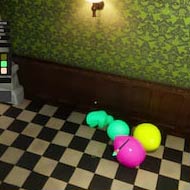
Meccha Chameleon 3
-

Meccha Chameleon 2
-

Water Color Sort
-

Stickman Chameleon
-

Paint to Hide!
-

Paint&Seek Online
-

Meccha Obby
-

Paint or Seek: Chameleon Hide Online
-

Hide ‘N Seek!
-

Paint Strike
-
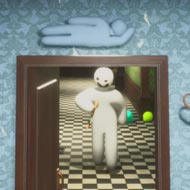
Meccha Chameleon Mobile
-

A Little to the Left
-

Among Us
-

Stickman Hook
The Garden Path










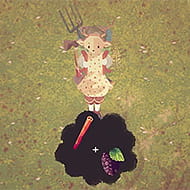
What actually happens if you just stop playing The Garden Path for three real-world days? Nothing dramatic, and that’s sort of the point — your plants keep growing, your garden keeps aging through its seasons, and when you come back nobody scolds you for it. That real-time progression is the first thing that separates this game from every other cozy farming sim, and it shapes basically every decision you’ll make once you’re standing in the dirt with a borrowed trowel.
| Genre | Slice-of-life gardening sim |
| Time system | 28 real-world days mirror four in-game seasons, each day on a 24-hour clock |
| Session length | Roughly 10–30 minutes of daily tasks |
| Multiplayer | Local co-op with shared inventory |
| Map | 15 acres, revealed gradually as you explore |
Thom, Augustus, and the Quests That Aren’t Explained
The Garden Path drops you into a tutorial that teaches lantern use, harvesting, and menus, then largely stops holding your hand. The two characters who fill that gap are Thom, a traveling seed seller who favors natural trade items and hands you your first trowel, and Augustus, who deals in tools and wants sprigs of bracken before he’ll trade for a shovel. Neither one over-explains what you’re working toward, which mirrors how the game treats its own mysteries.
Thom’s questline is where the game’s actual plot lives. He’ll eventually ask you to bring him a torn note, send you to interact with the Old Gardener statue for its missing half, and then task you with finding ten more journal pages scattered around the garden. Some pages sit inside trees you have to knock on, spotted by a faint star on the trunk; others turn up in circular patches of disturbed earth that need a shovel to dig up. It’s slow, deliberate detective work dressed up as gardening, and it rewards players who actually explore instead of speedrunning tasks.
Completing that thread unlocks a Memory Seed to plant and two star achievements that connect into a constellation the community calls The Root. From there you can place a Guide Stone at the Old Gardener statue, which is the kind of quiet, almost ceremonial payoff that The Garden Path specializes in — no fanfare, just a garden that remembers what you did in it.
Reading Dust Flies and Managing a Season
Harvesting sounds simple until you’re staring at a patch of unfamiliar plants trying to figure out which ones actually count toward whatever quest sent you there. That’s where dust flies come in — small guiding insects that steer you toward the correct plant when you’re close, cutting down on the guesswork the tutorial deliberately withholds. Watching for them becomes second nature within your first couple of real-world days.
- Equip the right tool before harvesting, since secateurs, trowels, and shovels each unlock different materials and a bare-handed attempt at the wrong plant does nothing.
- Track which quest is currently active, because guiding flies were changed in a patch to stop targeting untracked tasks, which trips up players who forget to check their objectives.
- Trade natural items with Thom specifically, since he favors that category and ignoring it slows down early progress considerably.
Because your garden ages in real time even while you’re logged off, players who treat The Garden Path like a checklist to clear in one sitting tend to burn out fast. The players who stick with it longest are the ones who fold it into an actual daily habit — a few minutes before bed, a check-in over morning coffee — closer to tending something living than clearing a task list.
What Trading, Fishing, and Conkers Add to the Loop
Gardening is the obvious headline, but The Garden Path spreads its systems wider than that. Fishing gives you something to do on days when your beds don’t need attention, trading with Myrtle unlocks harvestables like cloves that aren’t available anywhere else on the map, and a friendly round of Conkers against visiting travelers is one of the few moments the game asks you to compete rather than cultivate.
Local co-op changes the math on all of this. A second player sharing your inventory means harvestables get pooled rather than duplicated, which speeds up trading quests noticeably, and the two of you can just wander the 15 acres together using emotes instead of racing to finish objectives. It’s built for company, not for competition.
The vegetable-headed cast of visitors — the game’s own term for its recurring characters — rotate through with their own small stories, and players compare notes on forums about which travelers showed up in which acre on a given save, since the map layout itself varies between playthroughs.
- How do I find all the journal pages Thom asks for in The Garden Path? Pages hide inside trees marked with a faint star on the trunk, and inside circular patches of disturbed white earth that require a shovel bought from Augustus. Only pages collected after accepting Thom’s request toward the ten-page total.
- Why can’t I get my guiding flies to point me toward the right plant? A patch changed guiding flies so they no longer target untracked tasks, so make sure the relevant quest is actively selected before expecting them to help.
- Can I reset or delete my save file on Steam Deck? Players have reported no in-game menu option for this on Steam Deck specifically, and it’s a common enough question in the community that it’s worth checking current community discussions before assuming it’s impossible.
The Garden Path rewards the kind of patience most sims only pretend to ask for — you’re not optimizing yield, you’re just showing up, and by the time you’ve placed your first Guide Stone next to the Old Gardener statue, the garden feels less like a save file and more like a place you actually visit.
Comments
There are no reviews yet. Be the first one to write one.