


-

Hide and Luig
-

Meccha Hunt
-
Fruit Ninja
-
Toaster Dash
-
Meccha Chameleon 3
-
Meccha Chameleon 2
-

Water Color Sort
-
Stickman Chameleon
-
Paint to Hide!
-
Paint&Seek Online
-

Meccha Obby
-

Paint or Seek: Chameleon Hide Online
-

Hide ‘N Seek!
-

Paint Strike
-
Meccha Chameleon Mobile
-

A Little to the Left
-
Among Us
-

Stickman Hook
FlipWitch







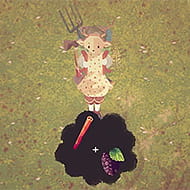

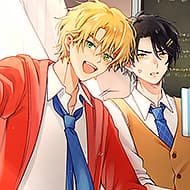

What’s the appeal of a dress-up game that doesn’t have a story, a score, or a way to lose? FlipWitch answers that question the way most games in its genre do — by handing you a single character, Ayami, and letting the entire point of the session be whether the outfit you land on actually looks right together.
There’s no fail state here and no time pressure. You’re working with a wardrobe of outfit pieces, hairstyles, and accessories, mixing and matching them on Ayami’s model until something clicks, then usually starting over just to see what else is possible. That loop — try, look, adjust, try again — is the entire game, and it’s a familiar one to anyone who’s spent time in this style of browser dress-up title.
How the Outfit System Works in FlipWitch
Pieces are grouped by category rather than thrown together randomly, so tops, bottoms, hair, and accessories each get their own selection panel rather than one long scrolling list. That structure matters more than it sounds like it should — it’s the difference between deliberately building a look and just clicking through options until something sticks.
Color coordination does more work than any single piece. A strong outfit in FlipWitch usually comes down to whether the palette holds together across hair, top, and accessories, rather than any one item being especially striking on its own — which is the same lesson every dress-up game in this genre eventually teaches, just through trial and error instead of a tutorial.
Why Players Return to Games Like FlipWitch
The genre’s staying power isn’t about content volume, it’s about the low-stakes creative loop. There’s no wrong answer, no combo to optimize, just a character and a wardrobe and whatever look you decide is worth keeping. For a lot of players that’s exactly the appeal — a few quiet minutes of styling with nothing riding on the outcome.
Where FlipWitch fits into that broader category is fairly typical: a manageable wardrobe, a clean interface, and Ayami as a blank enough canvas that different combinations genuinely change how the character reads, from playful to sharp to something in between depending on what you pick.
What keeps a session going longer than expected is usually the same small habit dress-up players develop everywhere — committing to a look, screenshotting it, and then immediately wanting to try the opposite direction just to compare. FlipWitch doesn’t push you toward that behavior with any mechanic; it’s just what happens once you’ve built one outfit you’re happy with and start wondering what else is in the wardrobe.
Interface Over Content in Games Like FlipWitch
What separates a good browser dress-up game from a clunky one usually isn’t the size of the wardrobe at all — it’s whether swapping pieces feels instant and whether the preview updates cleanly enough that experimenting doesn’t feel like a chore. FlipWitch keeps that part simple: click a category, click a piece, see it on Ayami immediately, with nothing standing between an idea and seeing whether it actually works.
That responsiveness matters more than it sounds like it should, because the entire appeal of the genre depends on being able to try a lot of combinations quickly. A dress-up game that makes each swap feel slow kills the exact browsing behavior that makes the format enjoyable in the first place, and it’s the one thing FlipWitch gets unambiguously right regardless of how deep its specific wardrobe turns out to be.
A Genre Built on Low Commitment
Part of what makes FlipWitch, and games like it, easy to return to is that there’s genuinely nothing to lose by opening it for five minutes. No progress resets, no penalty for closing the tab mid-outfit, no pressure to finish anything. That’s a deliberate design choice across the whole genre, not something specific to this one title, but it’s worth naming directly — the low stakes are the feature, not an absence of one.
For players who’ve spent time across a lot of these dress-up titles, the honest takeaway on FlipWitch is that it plays exactly like the genre promises: a clean wardrobe, a responsive interface, and a character worth styling for a few quiet minutes, without pretending to be anything more ambitious than that.
Comments
There are no reviews yet. Be the first one to write one.