

















ASWANG HUNTER








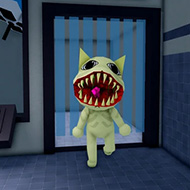






The scratching sound on the roof starts before midnight. In Aswang Hunter, that is your cue that the conversation phase is ending and the combat phase is beginning, and the two feel deliberately different — quiet, low-light dialogue with a family in a remote Philippine barangay, then sudden, frantic violence when the Tiktik claws through the wall. The shift is the design. You are a rogue hunter dispatched to households where local officials are still calling the livestock deaths a wildlife problem. The families you meet know better, and so do you.
| Genre | Survival horror / real-time combat |
| Platform | PC (Steam — wishlist), itch.io (prototype) |
| Creatures | Wakwak, Tiktik, Manananggal (confirmed) |
| Status | Work in progress / experimental |
The Two-Phase Structure of Aswang Hunter
Every mission in Aswang Hunter runs on the same clock: twilight hours for investigation, then the monsters breach after midnight. The investigation phase is not filler. Talking to family members and reading the household gives you information about what is coming, what weapons the family might offer in gratitude, and what the property’s weak points are. Players who skip straight to scavenging bolos and setting up near doors miss the investigative layer that determines how prepared you arrive at midnight.
Weapon acquisition relies on two channels: scavenging the rural environment directly, and earning traditional weapons from the families you protect. The bolo, the bamboo spear, the knife, and the hammer each handle differently. The bolo is the accessible all-rounder, but players who take the time in the investigation phase to build rapport with the household unlock bamboo spears that extend reach against creatures like the Wakwak, which moves fast enough that close range is dangerous by default.
The dual-arm control system separates Aswang Hunter from most action horror games. Your left and right hands are operated independently, which means blocking with one arm while striking with the other is a learnable technique rather than a toggle. Players who come from reflex-based action games adapt faster than those expecting simpler controls. Stamina drains from every strike and block, so players who button-mash their way through an encounter arrive at the next one with nothing left to spend.
The Flee Mechanic and Execution Minigames
The most distinctive design choice in Aswang Hunter is the creature retreat system. The Tiktik, Wakwak, and Manananggal are described as intelligent and cowardly — when pushed near death, they attempt to flee back into the night. If they escape, they recover fully and return later in the same night with increased aggression. This makes the execution minigames, triggered when you push a creature to the brink, genuinely high-pressure rather than a reward sequence. Fail the rapid-fire minigame and the Manananggal detaches its torso and flies, and you spend the rest of the night fighting something hungrier than before.
The community has noted that the Manananggal presents the steepest challenge of the confirmed creatures. As a torso-detaching flier, it attacks from angles the bolo struggles to reach, and its retreat pattern when wounded is faster than the Tiktik’s ground-based withdrawal. Early players recommend securing a bamboo spear before midnight specifically for encounters where the Manananggal is the suspected creature type — identified by the sound profile and the specific reports the family gives during investigation.
Cultural Grounding and What Players Notice
Aswang Hunter draws on Philippine folklore with specificity that players familiar with the mythology notice immediately. The Tiktik’s name comes from the sound it is said to make, with the folklore rule that the noise sounds closer when the creature is actually retreating — a detail the game’s audio design references in the pre-midnight investigation phase. The Wakwak shares folklore roots with the Tiktik as a winged variant, and the Manananggal is the most recognizable aswang type internationally: the upper-torso-detaching creature that targets sleeping victims. Using traditional weapons like the bolo rather than modern firearms is both a practical constraint and a deliberate cultural choice.
The honest limitation players discuss is the experimental state of the build. Aswang Hunter is still developing its full scope, and the current itch.io version is an early prototype that establishes the loop without yet fully delivering on its premise. Players who give feedback note that the dual-arm system and the flee mechanic are the elements with the most potential, while the investigation phase needs more weight for the choices within it to matter more clearly by midnight.
Frequently Asked Questions About Aswang Hunter
What is the Tiktik in Aswang Hunter?
The Tiktik is one of the core creature types rooted in Philippine folklore — a ground-moving aswang that breaches the household walls after midnight. In the game it is fast and aggressive, and it uses the retreat mechanic when wounded: if you fail to execute it before it escapes, it recovers and returns more dangerous. The name references the sounds from the folklore, and the game’s audio design acknowledges this in the investigation phase before the attack begins.
How does the dual-arm control system work in Aswang Hunter?
Each arm is controlled independently via dedicated hotkeys, allowing you to block an incoming strike with one hand while attacking with the other. This is not automatic — it requires deliberate input and stamina management. The system rewards players who learn to split their attention across both hands during combat, particularly against the Manananggal, which attacks from multiple angles and punishes single-arm defense strategies.
What happens if a creature escapes in Aswang Hunter?
If you fail the execution minigame when a creature like the Wakwak or Manananggal is near death, it retreats into the night, heals fully, and reinvades later with heightened aggression. This means letting a creature escape is not a soft failure — it directly makes the rest of the night harder. Prioritizing the execution attempt over repositioning is the correct play even when the minigame timing feels risky, because the alternative cost compounds over the remainder of the mission.
Aswang Hunter earns its atmosphere by committing to the source material. The transition from a lamp-lit household conversation to the moment the Tiktik scratches through the wall is the design beat the game is built around, and it lands. The bolo in your left hand and the bamboo spear in your right, the Manananggal pulling back from the window to recover — these are the details that give Aswang Hunter an identity distinct from every other indie horror game reaching for a folklore premise.
Comments
There are no reviews yet. Be the first one to write one.