


















Snowed Under




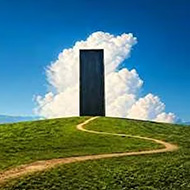








Snowed Under looks like a quiet walking game about clearing a driveway, but it plays like a slow excavation of something the mountain would rather keep buried. That gap between the pitch and the actual experience is the reason it’s stuck with players well past the first hour.
| Genre | First-Person Horror / Exploration |
| Perspective | First-person |
| Average Playtime | 2–4 hours |
| Companion | Kai |
| Core Mechanic | Digging through snow toward a steel tower |
The Weight Beneath Every Drift
Nothing about the opening minutes suggests horror. You’ve got a shovel, an open expanse of snow, and a steel tower somewhere off in the distance to aim for. It’s only once you start clearing ground that the game reveals its actual shape — not a straight walk, but a dig, where progress is measured in what you uncover rather than distance covered.
Early in the game, the discoveries are mundane: fence posts, the edge of a rooftop, scattered debris. By the time you reach the first fully buried structure, the tone has shifted enough that finding something mundane again would almost feel like relief.
The pacing here is deliberate to the point of testing patience, and that’s one of the more divisive aspects players bring up in discussion — some find the slow shovel work meditative, others find it drags in the stretch before the next structure appears. Both reactions are common enough that it’s worth going in aware of the rhythm rather than expecting constant momentum.
Talking to Kai as the Days Pass
Kai isn’t just there for company. The dialogue shifts across the days you spend digging, and paying attention to what Kai says versus what Kai avoids saying becomes its own kind of puzzle. Several long-time players treat Kai’s comments as the real narrative thread, with the physical environment acting more like supporting evidence for whatever Kai is circling around.
There’s a specific moment partway through where Kai goes quiet for an unusually long stretch after you dig into one of the larger buildings, and the silence lands harder than anything scripted around it. It’s the kind of detail you only notice because you were actually playing and paying attention, not skimming a summary of the plot beats.
What does Kai actually know before you find the buried buildings? The game never states it outright, but Kai’s reactions consistently arrive a beat too early — reacting to a structure before your light has fully revealed it — which is the strongest hint the game gives that Kai has been here, or somewhere like it, before.
Reading the Landscape for Buried Structures
Once you reach the abandoned train yard, the environmental storytelling stops being subtle. Rail cars sit at odd angles, snow has drifted through broken windows, and the placement of scrap around the yard suggests people were mid-task when whatever happened here, happened. The gas station further along tells a smaller, quieter version of the same story.
Environmental scrap: the materials scattered near each structure aren’t random loot — they cluster around specific points of interest, effectively marking which buildings are worth the extra digging time before you move on toward the tower.
Newcomers to narrative exploration games tend to get the most out of this section, since Snowed Under rewards exactly the kind of slow, observational play that genre already trains for. Players coming in expecting a fast-paced horror game sometimes miss half of what’s buried because they’re rushing past it toward the tower.
Balancing Digging Strength Against Stamina
The upgrade system stays lean, but how you split scrap between the three available stats noticeably changes the back half of the run.
- Digging strength — clears more snow per swing, reducing repetitive shoveling through dense sections
- Stamina — extends how long you can dig before needing to slow down and recover
- Carry capacity — determines how much scrap you can haul back for further upgrades in one trip
Players who dump everything into digging strength early tend to run out of stamina exactly when the snow gets deepest, right before the sections closest to the tower. A more even split tends to make the final stretch feel manageable instead of exhausting.
By the time you reach the steel tower’s base, the difference between a balanced build and a lopsided one is the difference between a smooth final stretch and one you’re fighting through on fumes.
The Moment the Mood Turns
There’s a specific building — the first one where you glimpse something moving on all fours in the dark before your light catches it properly — that marks the point where Snowed Under stops being ambiguous about what kind of game it is. Once you’ve seen that, the earlier stretches of the mountain read differently in hindsight.
It’s a short scene. It doesn’t need to be longer than it is.
What happens after you spot it matters more than the sighting itself — the game doesn’t chase you or force a confrontation, it just lets you keep digging with the knowledge that you’re not alone out there anymore.
Why Some Players Call the Ending Divisive
The ending doesn’t resolve everything the game raises, and that’s by design — but it’s also the single most argued-over point in community discussion. Some players feel the ambiguity fits a story about digging up fragments rather than whole answers; others wanted the steel tower itself to explain more than it ultimately does. Both reactions show up regularly once people finish and start comparing notes.
What is Snowed Under actually building toward if the tower doesn’t fully explain itself? For most players, the answer ends up being Kai — not the tower, not the buried town, but what Kai was carrying the entire walk and only lets slip once there’s nowhere left to dig.
Snowed Under earns its ending less through the steel tower itself and more through what Kai finally admits once you’re standing at its base, which is why the walk there matters more than the destination ever really did.
Comments
There are no reviews yet. Be the first one to write one.