


-

Hide and Luig
-

Meccha Hunt
-
Fruit Ninja
-
Toaster Dash
-
Meccha Chameleon 3
-
Meccha Chameleon 2
-

Water Color Sort
-
Stickman Chameleon
-
Paint to Hide!
-
Paint&Seek Online
-
Meccha Obby
-

Paint or Seek: Chameleon Hide Online
-

Hide ‘N Seek!
-

Paint Strike
-
Meccha Chameleon Mobile
-

A Little to the Left
-
Among Us
-
Stickman Hook
Dreadhead Parkour


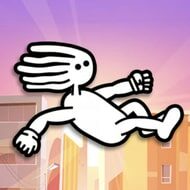
You leap off a rooftop ledge in Dreadhead Parkour, dreadlocks trailing behind you, and the gap on the other side looks a full stride wider than it did from a standstill. Land it and the run keeps flowing into the next rooftop, the next spike strip, the next stretch of nothing but air. Miss it, and the character folds into a loose, floppy heap the moment gravity wins, which is usually the exact instant a first-time player realizes this game rewards commitment far more than caution.
| Genre | Parkour platformer, arcade |
| Setting | Rooftops and obstacle-lined side-scrolling stages |
| Controls | Jump, double-tap for flips, hold to slide |
| Objective | Clear each stage without hitting a hazard |
| Hazards | Spikes, bombs, and gaps between platforms |
Meeting Dreadhead and the Feel of Momentum
The character everyone just calls Dreadhead is built around forward motion. Standing still is not really an option once a stage begins, since the level layout keeps pushing hazards into the path ahead. A tap jumps normally, but the interesting movement comes from the flips and slides layered on top.
New players under-commit to jumps early on, hopping short distances when the gap calls for a full running leap. That hesitation, not the harder spike timing later on, usually causes the first handful of failed attempts.
Jumps, Flips, and the Slide in Dreadhead Parkour
Frontflip: a quick double-tap that carries Dreadhead through the air with extra rotation, useful for wider gaps between rooftops without losing forward speed. Backflip is the reversed version off a ledge, flashier but serving the same practical purpose once the timing clicks.
Slide: holding the input drops the character low and shrinks the hitbox, letting Dreadhead pass under bars and overhangs a standing jump would slam into.
Spikes, Bombs, and Gaps That Punish Hesitation
Every stage mixes the same three threats: spike strips lining the floor, bombs sitting in place waiting for contact, and gaps that read as jumpable but are often a half-step wider than instinct suggests. None move on their own, which sounds forgiving until a run is three flips deep and the margin for error has shrunk to nothing.
Speedrunners chase the fastest clean line and treat any hesitation as a run-ending mistake, while casual players are content to inch through a level, resetting as often as needed. Both playstyles hold up fine, since nothing punishes a slower approach.
The Ragdoll Reset and What It Teaches
Touching a spike, clipping a bomb, or missing a gap sends Dreadhead into a full ragdoll collapse, limbs going instantly loose as the stage resets. It is the one detail almost every player brings up first when describing the game to someone who has not tried it, since the physics reaction is genuinely funnier than a plain death animation has any right to be.
That reset also doubles as the teaching tool. Failure costs only a few seconds, so players memorize spike placement and bomb timing through repetition, and by a stage’s third obstacle cluster most have already built a rhythm for the first two.
Coins, Skins, and Replaying Old Levels in Dreadhead Parkour
Coins are scattered through every stage, tucked into spots that require a slightly riskier line than the safest route. Collecting them unlocks new skins for Dreadhead, giving completionists a reason to revisit early stages once later ones start feeling routine.
How the Difficulty Curve Escalates
Early stages space hazards generously, giving new players room to learn the flip and slide inputs without serious pressure. That spacing tightens fast, and by the time bombs start appearing directly after a blind gap, one sloppy jump undoes a run that had gone perfectly up to that point. Some players find that spike arrives a stage or two too early, while others say that exact jolt is what keeps the later levels worth replaying.
- Are there different characters or skins in Dreadhead Parkour? Yes, additional skins for Dreadhead unlock through the coins scattered across each stage, so collecting them during a run doubles as progress toward cosmetic rewards beyond just clearing the level.
- What causes the most deaths in Dreadhead Parkour? Misjudged gap distances and late bomb reactions account for most resets, since both hazards sit close together in later stages and neither forgives a jump that starts a fraction too late.
- Does hitting a bomb or spike end the whole run permanently? No, it triggers the ragdoll collapse and resets the current stage rather than the full game, so players jump straight back into the same section instead of losing overall progress.
What keeps Dreadhead Parkour worth returning to is how little it asks beyond commitment. Read the gap, trust the flip, and let the ragdoll collapse teach the next attempt something the last one did not.
Comments
There are no reviews yet. Be the first one to write one.