



-

Hide and Luig
-

Meccha Hunt
-

Fruit Ninja
-

Toaster Dash
-
Meccha Chameleon 3
-

Meccha Chameleon 2
-

Water Color Sort
-

Stickman Chameleon
-

Paint to Hide!
-

Paint&Seek Online
-

Meccha Obby
-

Paint or Seek: Chameleon Hide Online
-

Hide ‘N Seek!
-

Paint Strike
-

Meccha Chameleon Mobile
-

A Little to the Left
-

Among Us
-

Stickman Hook
Build a Field




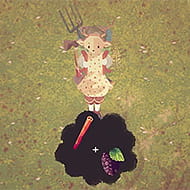







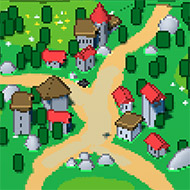
What happens once a plot in Build a Field fills up faster than you can clear it? That’s the question every session eventually forces on you.
The setup stays simple: a bare grid, a short toolbar, and a pile of pieces that need clearing, sorting, or placing before a plot counts as finished.
| Genre | Casual, Field-Clearing Puzzle |
| Category | Casual Games |
| Platform | Browser |
| Controls | Mouse or Tap |
Clearing Your First Plot in Build a Field
The first plot is forgiving on purpose, with just enough clutter to teach the clear-and-place rhythm without punishing mistakes. Most of what you do is drag, drop, and confirm.
That gentle pace is deliberate, since the real test doesn’t start until later plots stack more variables together.
Players who enjoy tidy, low-stakes puzzle openers tend to move through this stage quickly.
Reading the Field Before You Commit
Every plot is readable before you touch anything, which is easy to forget once a few go smoothly. Scanning the grid first usually reveals which pieces block progress and which are just noise.
Committing to a placement too early is a common source of wasted moves. A few extra seconds of scanning almost always pays for itself.
The field rewards patience over speed at every stage, even once later plots pick up the pace.
Where Beginners Waste Their Early Moves
Rushing the outer tiles before checking what’s stacked underneath usually backfires. You end up redoing the same corner twice.
Ignoring clutter that blocks a straight path feels harmless at first. It costs more moves later than clearing it early would have.
Placing new pieces before the ground beneath them is cleared is the most common early mistake. The field won’t settle until that space is actually empty.
Scaling Up to Larger Plots in Build a Field
Later plots widen the grid and multiply how many pieces compete for space at once. A one-step fix early often needs two or three setup moves later.
That shift catches players off guard if they carry early habits forward without adjusting. Slowing back down is usually enough to adapt.
Long sessions tend to stall right around this jump in difficulty. It’s the first real test the game offers after a long stretch of easy plots.
- What’s the fastest way to clear an early plot? Scan the whole grid before moving anything, since most early plots have one or two pieces blocking everything else. Clearing those first usually opens up the rest with little extra work.
- Why do later plots feel so much harder? Larger plots pack more pieces into the same space, so single-step solutions from earlier plots stop working. Each move tends to need more setup once the grid fills up.
- Does Build a Field punish mistakes on early plots? No, early plots are built to be forgiving. The real pressure starts once plots grow larger and pieces compete for the same space.
Build a Field never explains its scaling curve up front: the clear-and-place rhythm that felt effortless on the first plot has to be relearned, one crowded field at a time.
Comments
There are no reviews yet. Be the first one to write one.