


-
Hide and Luig
-
Meccha Hunt
-
Fruit Ninja
-
Toaster Dash
-
Meccha Chameleon 3
-
Meccha Chameleon 2
-

Water Color Sort
-
Stickman Chameleon
-
Paint to Hide!
-
Paint&Seek Online
-
Meccha Obby
-

Paint or Seek: Chameleon Hide Online
-

Hide ‘N Seek!
-

Paint Strike
-
Meccha Chameleon Mobile
-

A Little to the Left
-
Among Us
-

Stickman Hook
Shutter Story






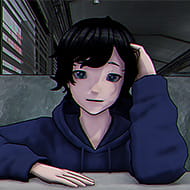

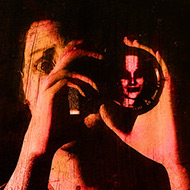
You put on headphones because the game asks you to before it even starts, and within the first few minutes of Shutter Story you understand why — most of what makes this analog horror experience work is happening in the audio, not on screen, and playing it without sound is playing a different, much less unsettling game.
Shutter Story sits in the analog horror tradition — degraded, found-footage-style visuals paired with unreliable, distorted audio cues that are doing as much storytelling as anything explicitly shown. It’s a short experience by design, built to be finished in a single sitting of fifteen to thirty minutes depending on how quickly you work through its more demanding sections.
The Mouse-Dexterity Sections in Shutter Story
Certain stretches of the game shift from atmosphere into genuine precision challenges, asking for careful, controlled mouse movement under pressure rather than passive observation. These sections are the ones most likely to trip up a first playthrough, and they’re intentionally difficult — the game isn’t hiding that some of what it’s asking is meant to be hard.
What sets Shutter Story apart from a purely reflex-based horror game is that the difficulty is adjustable rather than fixed. Accessibility settings let you scale back exactly the parts that rely on precise mouse control, without stripping out the atmosphere or story that make the experience worth finishing.
- A reduced-difficulty setting for the mouse-dexterity sections specifically
- An option that removes the mistake limit on those same sections
- Standard settings left untouched for players who want the full intended challenge
That flexibility matters more than it might seem for a horror game this short — since the runtime is tight, a difficulty spike that stops progress entirely would cut off the back half of the story for players who aren’t naturally strong with precise mouse input, and the accessibility options exist specifically to prevent that.
Why Analog Horror Leans on What You Don’t See
Shutter Story rarely shows its threat directly. Instead it relies on distortion — audio dropping out at the wrong moment, visuals glitching just enough to suggest something’s wrong without confirming what — which is the defining trick of the analog horror genre and the reason headphones aren’t a suggestion so much as a requirement for the experience to land the way it’s designed to.
- How long does Shutter Story take to finish? Roughly fifteen to thirty minutes for a single playthrough, depending on how much time the mouse-dexterity sections take to clear.
- Are the accessibility settings necessary to finish the game? Not necessarily, but they’re there specifically for players who find the precision sections a barrier rather than a challenge worth repeating.
By the time Shutter Story reaches its final stretch, the smart move it made early — asking for headphones before anything else — has paid off completely, turning a short runtime into something that lingers a lot longer than thirty minutes would suggest.
Comments
There are no reviews yet. Be the first one to write one.