













Soccer Random







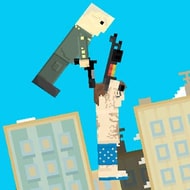


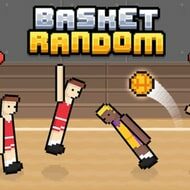



Soccer Random looks like a lighthearted arcade kickabout with squashy pixel athletes, but it plays like a wrestling match against your own limbs. The ball goes wherever momentum sends it, not where you aim, and every match turns into a scramble of flailing legs, mistimed jumps, and goals that happen almost by accident. This physics-driven football game rewards players who stop fighting the ragdoll body and start using its wobble on purpose.
| Genre | Physics-based sports arcade |
| Players | Two, sharing one keyboard |
| Objective | Score five goals before the opponent does |
| Controls | One button per side for jumping and kicking |
Ragdoll Physics and Unpredictable Bodies
Every athlete on the pitch is built from loose, jointed limbs that swing on their own momentum rather than snapping into neat animations. Press the single action button and your player leaps, and whatever body part happens to be leading the motion is what touches the ball. A header can turn into an accidental knee strike, and a defender diving to block can roll the ball into their own net. That is the core mechanic: you control timing and direction, not precision, and the game tests whether you can predict a body that does not fully obey you.
New players usually mash the jump button hoping for control the ragdoll system was never built to give. The better habit is timing one jump so your torso or leg reaches the ball a beat before the opponent’s does, using the fall itself as the kick.
One detail only shows up after a few matches: the dull thud of two ragdolls colliding mid-air sounds different from a clean strike, and players start reacting to that cue before they see where the ball went.
What Changes After Every Goal in Soccer Random
Scoring resets more than the ball position. After each goal the match reshuffles several variables at once, and no two rounds look alike once the randomizer kicks in. This is the feature the name refers to, and it keeps five-goal matches from feeling repetitive.
- The pitch can shift, changing footing and how far the ball travels on a bounce
- Weather can alter visibility or how the ball rolls once it lands
- The ball can become heavier, lighter, or bouncier than the kick before it
- Uniforms swap colors, which matters for tracking your own side mid-scramble
By the time a match reaches four-all, both players are reacting to conditions instead of habits built earlier in the same game, since a ball that behaved one way at the first goal can behave completely differently by the fourth.
Reading the Pitch Before You Commit to a Jump
Because the randomizer touches ball weight and surface together, timing that worked a minute ago can miss entirely after the next reset. Experienced players watch the first bounce after kickoff to judge whether the ball is heavier or lighter than the last one, then adjust their jump window instead of repeating the same rhythm out of habit.
A common question is whether skill matters given how much is randomized, and the honest answer is yes, just not the way traditional sports games train you to expect. Positioning early and jumping a fraction late rather than early still separates consistent winners from players who get lucky once.
Another frequent question is why the ball ignores a clean-looking kick, and that usually comes down to which ragdoll limb made contact.
Two Players, One Keyboard, No Room to Hide
Soccer Random runs on split-keyboard local play, so both athletes share one device with a single action key each. That layout forces both players to watch the same screen with no private information, which is part of why matches feel more like a physical scrap than a typical sports sim. Casual players enjoy the format because there is nothing to memorize beyond one button, while players chasing a competitive edge lean into positioning and jump timing much like a stripped-down fighting game.
The single-button scheme is also the most debated part of the game in player discussions. Some find it liberating since there is no combo list to learn, while others argue it hands too much of the outcome to physics rather than input, especially when a last-second own goal decides a five-all match. That tension between skill and randomness is honestly part of why people keep coming back.
Chasing the Fifth Goal in Soccer Random
Soccer Random never announces a difficulty curve, but pressure builds naturally as the score climbs, since every reset raises the stakes of the next random pitch, ball, or weather change. The final goal of a close match often comes from a scramble, and that is the moment new players remember first: two ragdolls tangled over the ball, one desperate late jump, and a goal nobody fully controlled. Soccer Random earns its place among quick arcade sessions by turning that unpredictability into the whole point.
Comments
There are no reviews yet. Be the first one to write one.