


-

Hide and Luig
-

Meccha Hunt
-
Fruit Ninja
-
Toaster Dash
-
Meccha Chameleon 3
-

Meccha Chameleon 2
-

Water Color Sort
-
Stickman Chameleon
-
Paint to Hide!
-
Paint&Seek Online
-

Meccha Obby
-

Paint or Seek: Chameleon Hide Online
-

Hide ‘N Seek!
-

Paint Strike
-
Meccha Chameleon Mobile
-

A Little to the Left
-

Among Us
-

Stickman Hook
Toca Boo








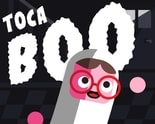
You slip behind the curtains as a pair of house hunters step into the living room, and the moment their backs are turned you knock a picture frame off the wall. One of them jumps, grabs the other’s sleeve, and backs toward the hallway without ever seeing you. That flinch is the whole point of Toca Boo: you are the ghost, the house is yours, and every visitor who walks out the front door in a hurry is a small win.
Toca Boo drops you into a family home you already know every inch of, and your job is to keep it that way by making sure nobody feels comfortable staying. You don’t attack anyone directly. Instead you rattle furniture, knock over dishes, and hide inside cabinets or under laundry piles to build a silhouette that catches a visitor’s eye for just a second too long. Startle them enough times in a room and they’ll leave it — and eventually the house — on their own.
Reading the House in Toca Boo
Every room plays differently once you start treating it as a stage. Kitchens give you pots and pans that clatter loudly when knocked from a shelf, bedrooms give you closets and dressers to duck into, and hallways are where a flickering light fixture can do half your work for you. Learning which prop belongs to which room is less about memorization and more about noticing what visitors glance at when they first walk in — that’s usually the object worth disturbing first.
Light is the one thing that actually hurts you. A flashlight beam or a lamp switching on doesn’t just reveal your position, it cancels the effect of whatever scare you were mid-setup for, and a visitor who sees you clearly tends to stop reacting altogether for a few seconds. That short window is when most new players get caught standing in the open instead of already moving toward the next hiding spot.
What keeps Toca Boo from feeling repetitive is that the family members don’t all spook the same way. Some visitors notice sound before sight, others are the reverse, and a couple barely react to anything short of an object flying across the room in front of them. Community discussion around the game tends to circle back to this — the “easy” characters early on train habits that stop working once a more observant guest shows up later.
Why the Quiet Moments Matter in Toca Boo
The temptation is to chain scares back to back, but a ghost that never stops moving is easier to spot by accident. Waiting a beat between disturbances, letting a visitor relax just enough to lower their guard, makes the next knock or shadow land harder. It’s a small rhythm to learn, and it’s the difference between clearing a room in one pass and getting caught halfway through it.
By the time the last stubborn holdout finally grabs their coat and leaves, Toca Boo has quietly taught you its real skill: not jumping out, but knowing exactly when not to.
Comments
There are no reviews yet. Be the first one to write one.