



-
Hide and Luig
-
Meccha Hunt
-
Fruit Ninja
-
Toaster Dash
-
Meccha Chameleon 3
-

Meccha Chameleon 2
-

Water Color Sort
-
Stickman Chameleon
-

Paint to Hide!
-
Paint&Seek Online
-
Meccha Obby
-

Paint or Seek: Chameleon Hide Online
-
Hide ‘N Seek!
-
Paint Strike
-
Meccha Chameleon Mobile
-
A Little to the Left
-
Among Us
-

Stickman Hook
Right Click to Necromance





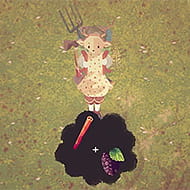
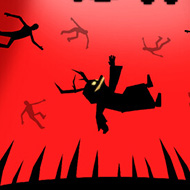


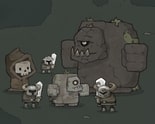
Right Click to Necromance looks like a joke title for a browser clicker, the kind of name that promises nothing more than a counter going up. What it actually plays like is a slow, deliberate buildup of a private undead army, where the first few minutes are almost boring on purpose and the payoff only shows up once your bone count stops being the bottleneck.
The core loop is simple to describe and slower to master: every click on the field earns bones, and bones are the only currency that matters. Spend them too early on flashy units and you’ll stall out; hoard them too long and you’re wasting clicks that could already be working for you passively. That tension is the whole game.
Building the Army in Right Click to Necromance
Skeletons are the first thing your bones buy, and they’re deliberately weak — cheap, fast to summon, and mostly there to teach you the rhythm of spending before you’re introduced to anything better. Warriors come next, tougher and slower to afford, followed by wizards, whose value isn’t raw output but the passive bone generation they add once summoned, which is what actually breaks the early grind open.
Passive generation beats manual clicking eventually. A wizard sitting idle in your army produces more bones over a few minutes than the same time spent clicking manually, and the run genuinely changes shape once a player accepts that the clicking is a means to afford automation, not the long-term plan itself.
Pacing the Unlocks in Right Click to Necromance
Where Right Click to Necromance earns its keep is in how it paces the unlocks. There’s no explicit tutorial explaining that wizards are worth rushing — you either notice the passive bone tick after summoning one, or you keep clicking manually far longer than you need to, and the community consensus among players who’ve pushed deep into the army-building is that recognizing this shift early is the single biggest difference between a fast run and a slow one.
- Why does clicking feel slower later in the game? It doesn’t get technically slower — your bone requirements per unit simply climb faster than manual clicking alone can keep up with, which is the game nudging you toward passive wizard income instead.
- Is there a “best” order to summon units in? Skeletons first for early bones, then wizards as soon as you can afford one, since their passive income compounds — warriors are best treated as a mid-priority purchase once your economy is already ticking on its own.
By the time your screen is crowded with skeletons, warriors, and a handful of wizards quietly generating bones in the background, Right Click to Necromance has turned a one-note clicking joke into something closer to a small, patient economy game — and that shift is exactly what keeps players clicking long after the novelty should have worn off.
Comments
There are no reviews yet. Be the first one to write one.