


-

Hide and Luig
-

Meccha Hunt
-

Fruit Ninja
-

Toaster Dash
-
Meccha Chameleon 3
-
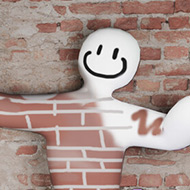
Meccha Chameleon 2
-

Water Color Sort
-
Stickman Chameleon
-
Paint to Hide!
-
Paint&Seek Online
-

Meccha Obby
-
Paint or Seek: Chameleon Hide Online
-

Hide ‘N Seek!
-

Paint Strike
-
Meccha Chameleon Mobile
-
A Little to the Left
-

Among Us
-

Stickman Hook
How to Play: Beginner’s Guide
Meccha Chameleon looks simple from the outside: one team hides, the other team searches. The twist is that nobody turns into a chair or a barrel. Every Hider starts as a plain white figure and has to paint their own body to match the wall, floor or prop behind them, then hold a pose convincing enough to fool a Hunter standing a few steps away. This guide walks you through everything a new player needs before the first match: the roles, how a round is structured, what the host can change, the extra modes and the habits that stop you from being the first one caught.
What Kind of Game Is It?
Meccha Chameleon is an online party game from the Japanese solo developer lemorion_1224 (LEMORION). It launched on Steam in June 2026 as a $5.99 purchase with no ads or paid advantages, and in September 2026 it also arrived on Nintendo Switch 2. The developer recommends 2 to 12 players, and bigger lobbies are possible if the host’s connection can handle them. Steam and Switch 2 players can play together thanks to cross-play. Matches are short, loud and very watchable, which is exactly why the game spread so quickly through clips and streams.
What makes it different from classic prop hunt games is the skill involved. Your hiding spot matters, but so does your brush work. A perfect corner with a sloppy paint job still gets you shot, while an average spot with careful shading can survive the whole round.
The Two Roles
Hiders
Hiders get a head start. During the hiding phase they pick a place on the map, open paint mode and colour their body to copy the surface behind them. When time runs out they freeze in a pose and try to stay unnoticed until the round timer ends. A Hider wins by surviving.
Hunters
Hunters (some players call them Seekers) are released once hiding time is over. They play in first person, without a flashlight, and have to physically shoot a Hider to eliminate them. Their ammo is limited and set by the host, so every wasted shot hurts. Hunters win by finding and hitting every Hider before the clock runs out.
How a Round Works
- Lobby. Players gather on the server, the host chooses a map (or lets the map lottery pick one) and adjusts the rules.
- Hiding phase. Hiders spread out, choose a spot, paint and pose while the Hunters wait for their turn.
- Hunt phase. Hunters teleport onto the map and start sweeping rooms. Every shot counts against their ammo.
- Answer reveal. When the round ends, the game shows where every surviving Hider was hiding. This is often the funniest part of the match, because everyone finally sees the chameleon that stood in plain sight for three minutes.
If everyone in the lobby agrees that a phase is dragging on, the “Mo Eeyo” vote (roughly “enough already”) lets the group skip the rest of the hiding time or the reveal. It only works with a unanimous vote, so one player who is still painting can keep the timer running.
How You Win or Lose
| Situation | Result |
|---|---|
| Every Hider has been found and hit | Hunters win |
| The timer runs out with at least one Hider left | Hiders win |
| All Hunters run out of ammo | Hiders win |
The ammo rule changes how Hunters play. Spraying at every suspicious shape is a quick way to lose, so good Hunters look carefully first and shoot second.
Painting Basics
Paint mode is where most of the game happens for a Hider. You rotate your character, pick colours and brush them onto your body. The most important tool is colour sampling: instead of guessing a shade, pick it straight from the surface you are standing against. A few rules that make a big difference from your very first round:
- Paint the side the Hunters will actually see. The back of your body matters far less than the side facing the room.
- Copy the lighting, not just the colour. A wall is often lighter near a lamp and darker near the floor, and your body should follow the same gradient.
- Match lines and edges. If you stand in front of tiles, planks or a window frame, a couple of dark lines in the right place sell the illusion better than a perfect flat colour.
- Leave time for the pose. A great paint job in a standing T-shape is still easy to spot.
Painting works with a mouse, a controller stick and, on Switch 2, the touch screen. Controller painting got several accuracy fixes in the 4.x updates, so it is now a fair option rather than a handicap.
What the Host Can Change
A lot of how a match feels depends on the host. Before you judge the game by one lobby, it helps to know which options exist:
- Map choice. Official maps range from cities such as Osaka and Kyoto to indoor stages like the Art Museum and the Shopping Mall. Steam Workshop maps can be added too.
- Hunter ammo. Fewer bullets make every shot tense; more bullets make the game easier for Hunters.
- Body sizes. Besides the default body, the host can allow Cube, Plump and Petit Chameleon (half size). Smaller bodies fit into tighter gaps, but they also change how your paint reads from a distance.
- Forced taunts. The game can make Hiders taunt at set intervals, giving Hunters an audio clue and stopping rounds from stalling. Since update 4.1.0 the shortest possible interval is 5 seconds.
- Moderation. The host can ban disruptive players. The ban list resets when the server restarts.
Game Modes
| Mode | How it plays |
|---|---|
| Normal | The classic format: Hiders paint and survive, Hunters search with limited ammo. |
| Infection | Every Hider who gets caught joins the Hunters, so the hunting team keeps growing. |
| Double | Everyone hides first and hunts afterwards; the best finder wins. |
| Reverse Chicken Race | Players have to identify a hidden participant based on the quality of their paint job. |
Start with Normal. The other modes make much more sense once you understand how painting and hunting feel.
Your First Match: A Checklist
- Check the controls in the in-game settings before joining, especially the keys for paint mode, poses and colour picking.
- As a Hider, avoid the room next to the Hunter spawn. It is the first place they check.
- Pick a spot with one simple, even background. Plain walls and large floor areas are easier to copy than busy shelves.
- Sample colours instead of choosing them by eye, and paint the visible side first.
- Stop moving once the hunt starts. Motion gives you away much faster than a small colour mismatch.
- As a Hunter, scan slowly for outlines and shading that do not fit, and never shoot on a hunch.
- Watch the reveal. It is the fastest way to learn which spots and paint tricks work on each map.
Common Beginner Mistakes
Painting too long. New players often spend the whole hiding phase on details and end up frozen in the open with no time to pose. Aim to be in your spot with the base colours done by the halfway point.
Choosing a “clever” spot everyone knows. The top of a wardrobe or the space behind a door feels smart, but experienced Hunters check those places first. A dull stretch of wall is often safer.
Moving the camera during the hunt. Even if your body stays still, turning to watch a Hunter can shift your pose. Trust your paint and keep still.
Wasting ammo as a Hunter. Missed shots do not just cost bullets; they also tell Hiders where you are. Get close, compare the suspicious shape with its surroundings, then commit.
Where to Go Next
Once you have a few rounds behind you, the fastest way to improve is to focus on one role at a time. Learn the maps you play most, practise sampling and shading, and study the reveals. The game is updated very often, so if an option described here looks different in your version, check the latest patch notes before assuming something is broken.